Eight Years of Brand Stewardship

B2B fintech brand stewardship
Evolving a fintech brand from startup to enterprise

Building a brand isn’t a one-time project — it’s continuous stewardship. Over eight years at Previse, I guided the visual identity through multiple phases: from bold startup collateral designed to get noticed, through experiments with photography direction, to the cleaner, more authoritative materials needed for enterprise sales. Along the way, I handled everything from white paper design to office floor plans — the full scope of what “Head of Design” actually means at a growing company.

Curating and nurturing a brand

Previse evolved from a 2017 seed-stage startup to an enterprise AI platform serving major corporates. The brand needed to evolve too — from attention-grabbing yellow to something that could sit credibly alongside established players, without losing the distinctive character that made Previse memorable.

1

Collateral evolution — startup to enterprise

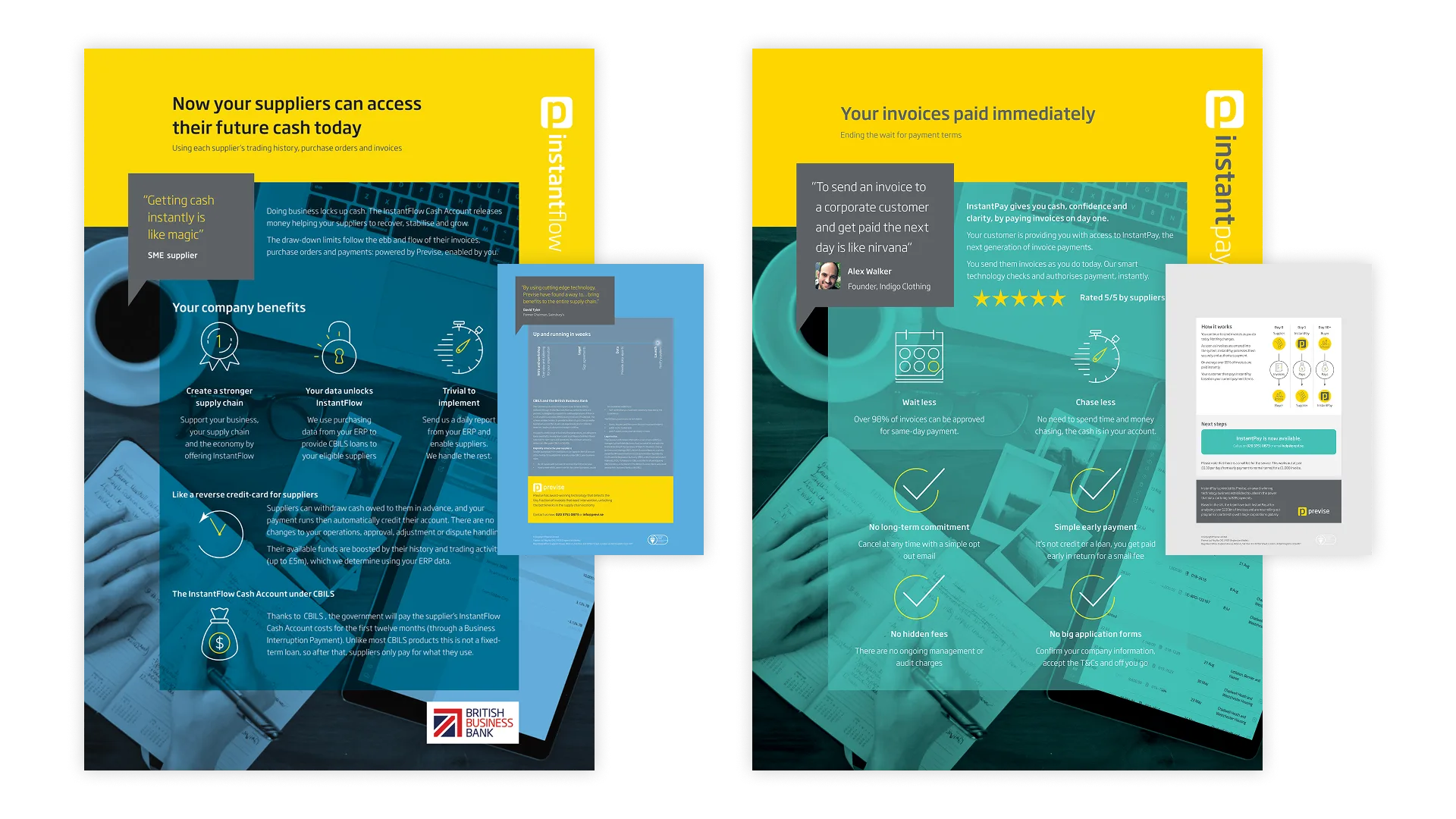
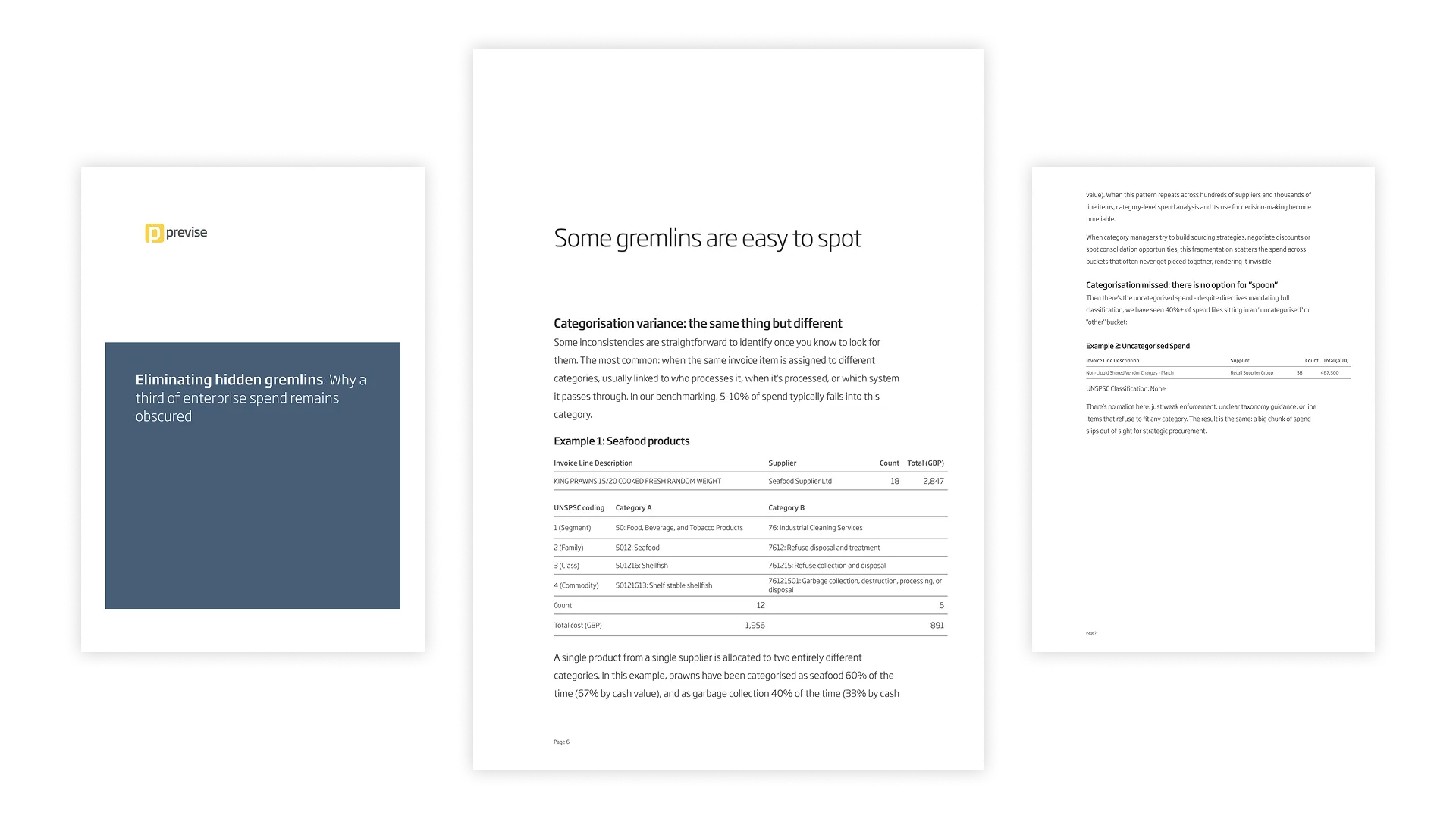
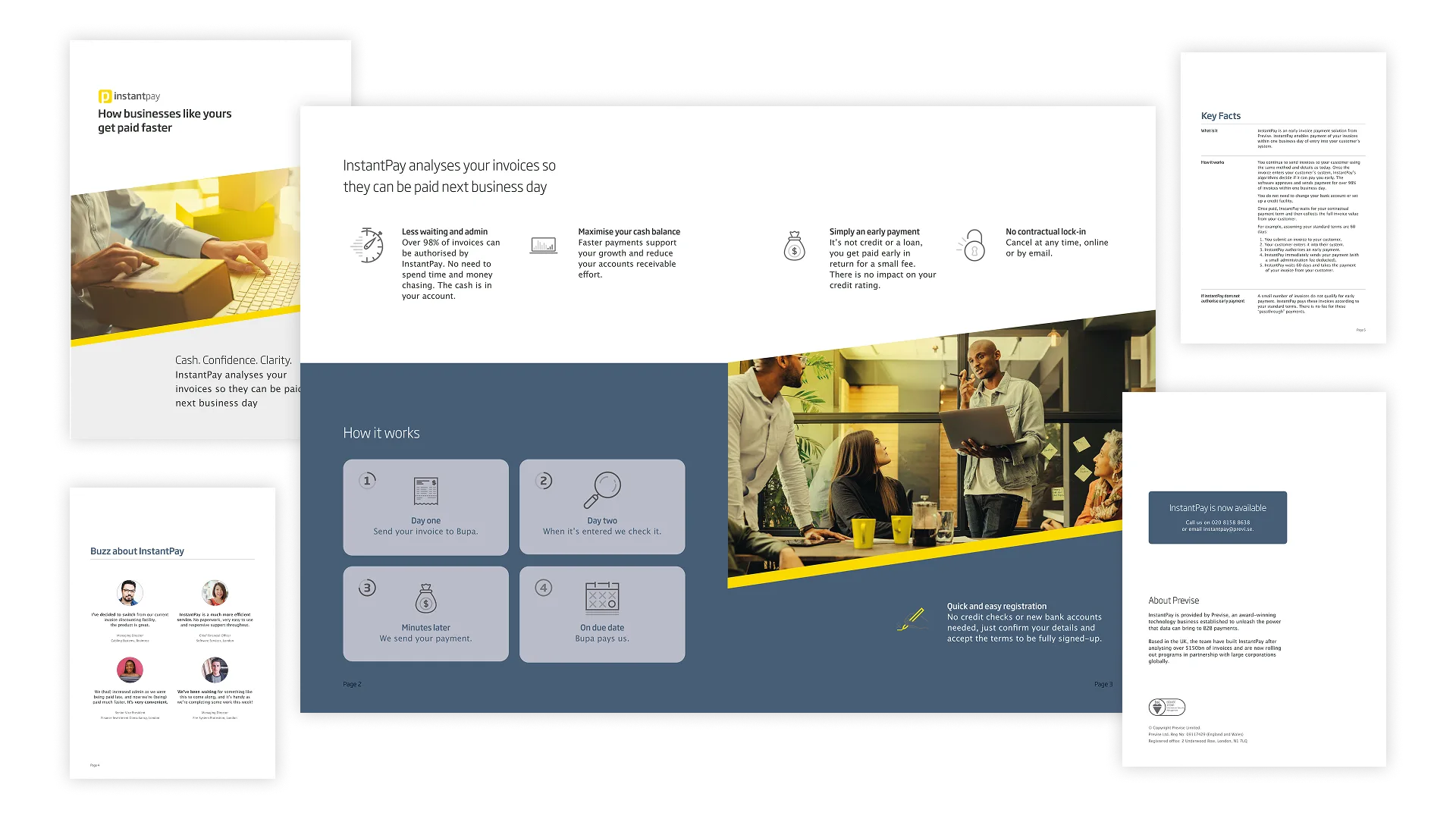
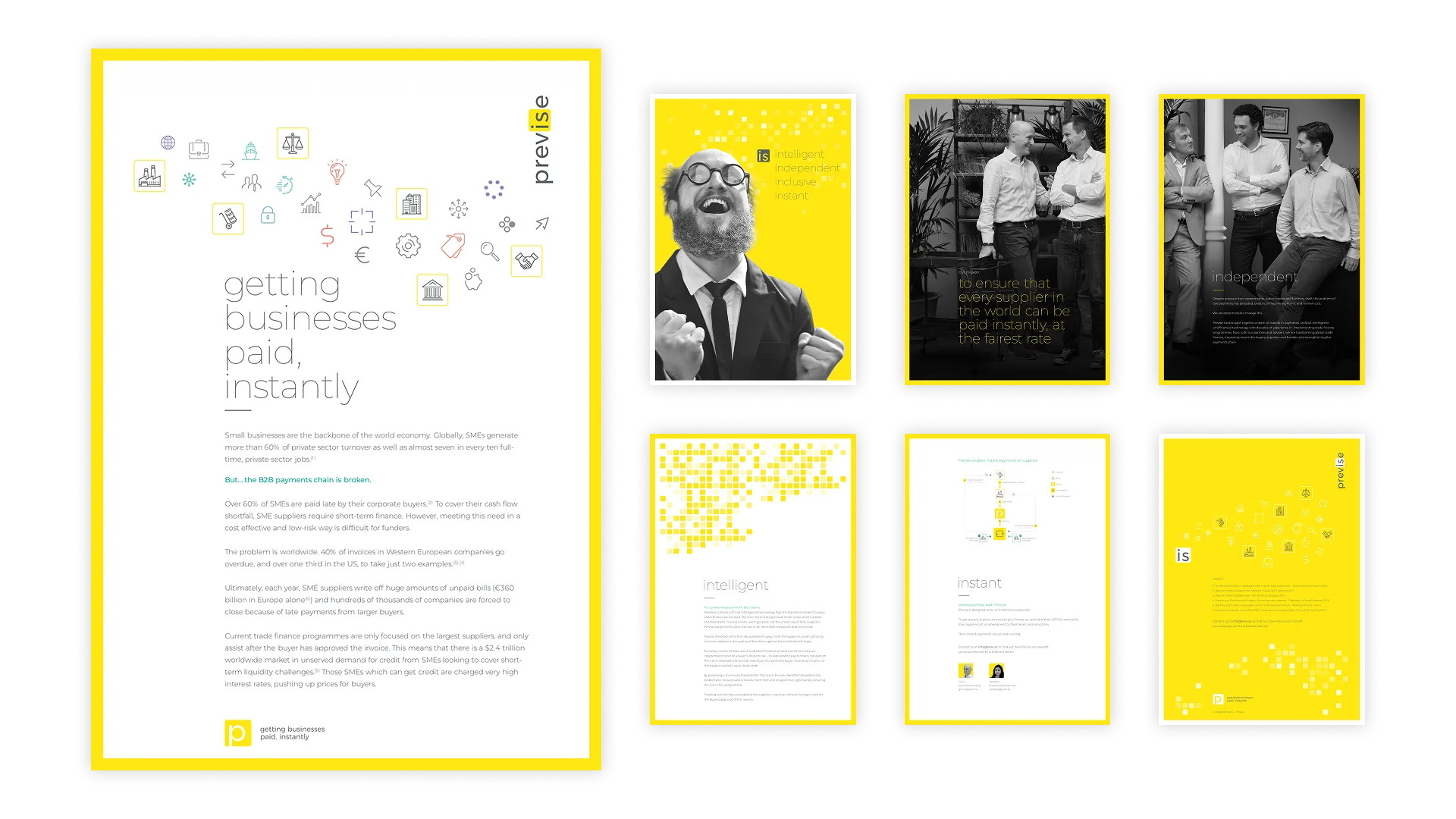
Early Previse materials leaned hard into the signature yellow. Bold, attention-grabbing, unmistakably startup. As the company matured and the sales conversation shifted toward enterprise procurement teams, the collateral needed to follow. Later white papers and one-pagers use yellow as an accent rather than a backdrop, with more white space, cleaner typography, and data visualisation that signals credibility. The brand didn’t change, it grew up.

2

Photography direction — developing a visual voice

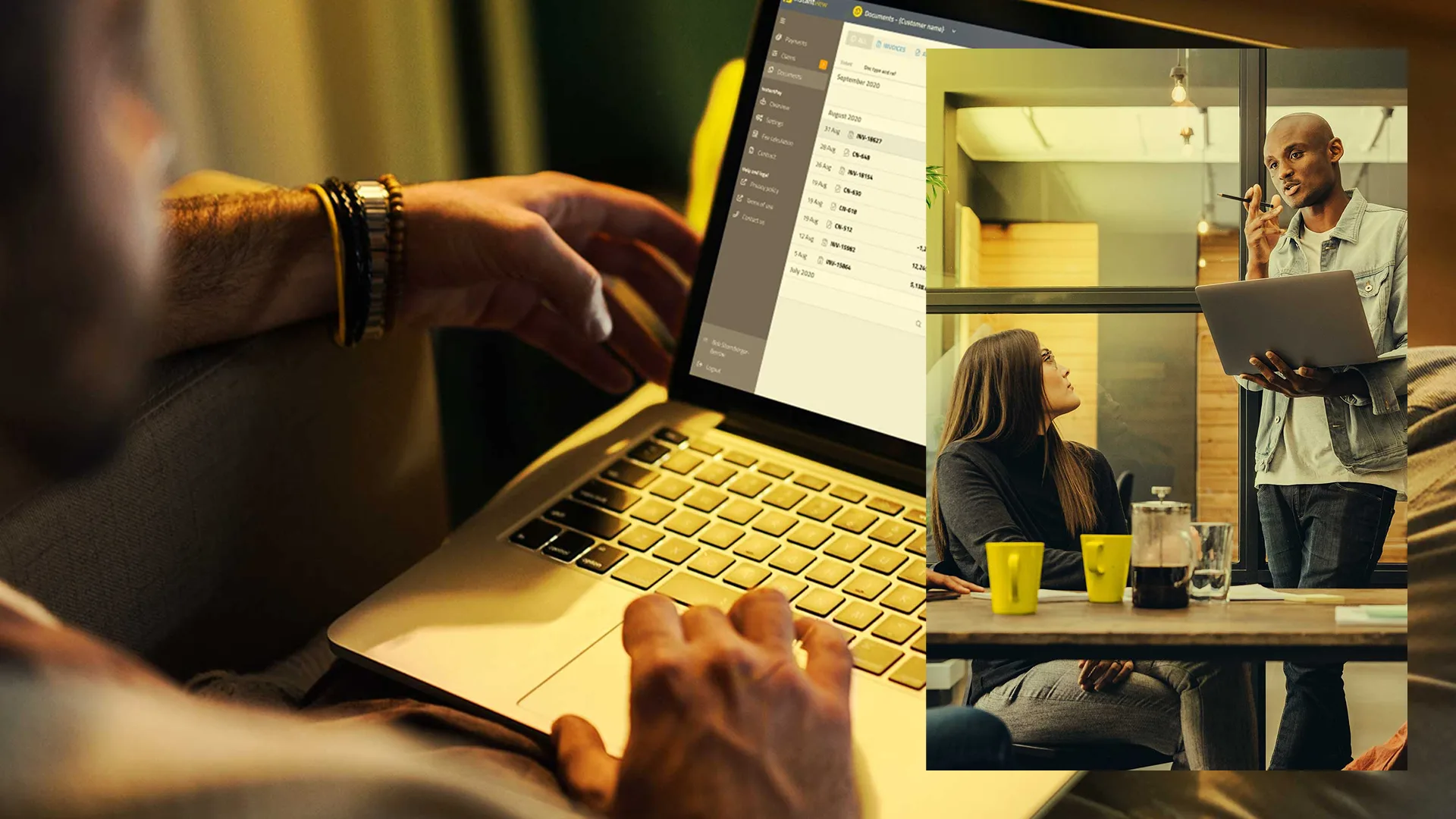
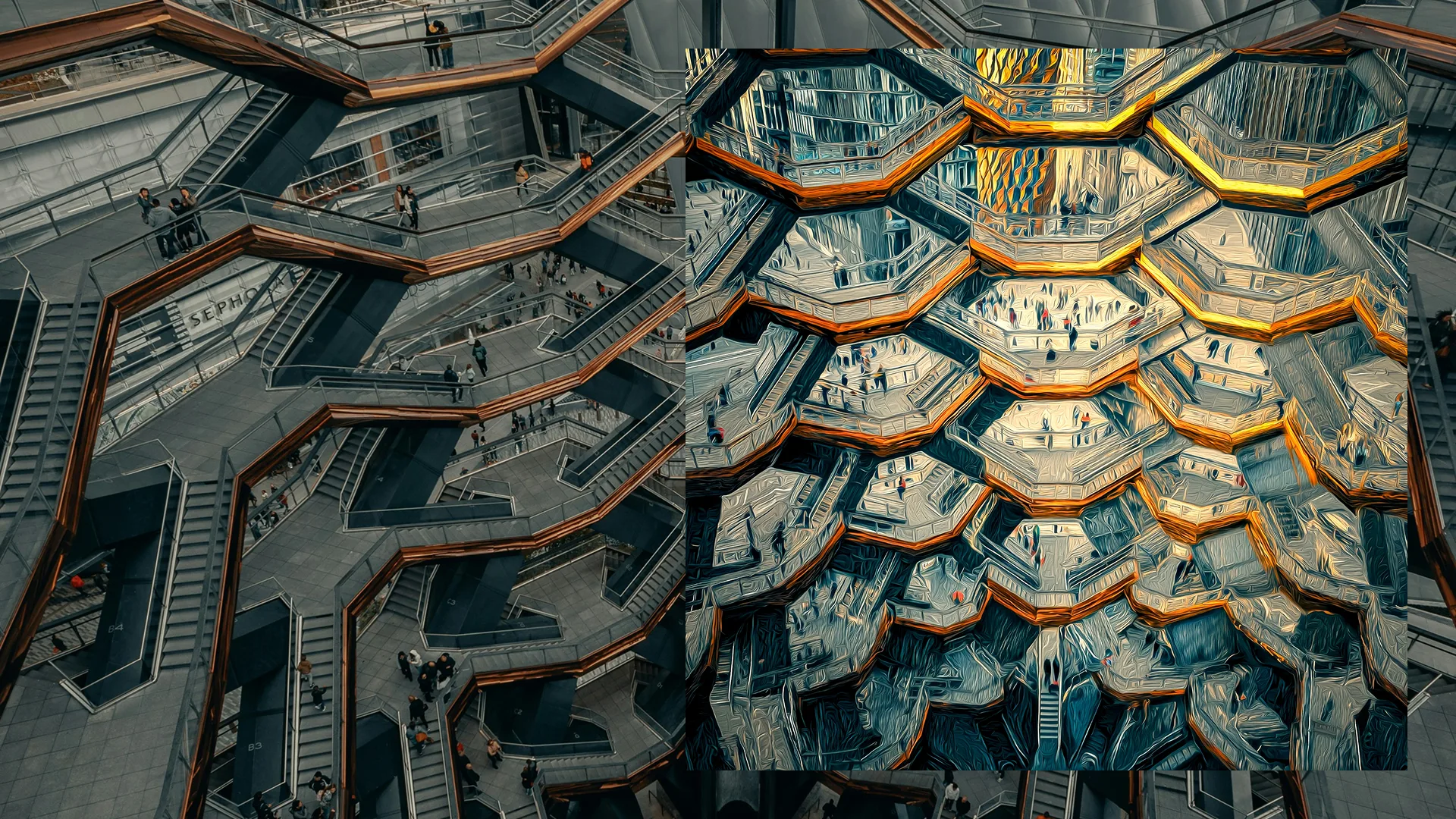
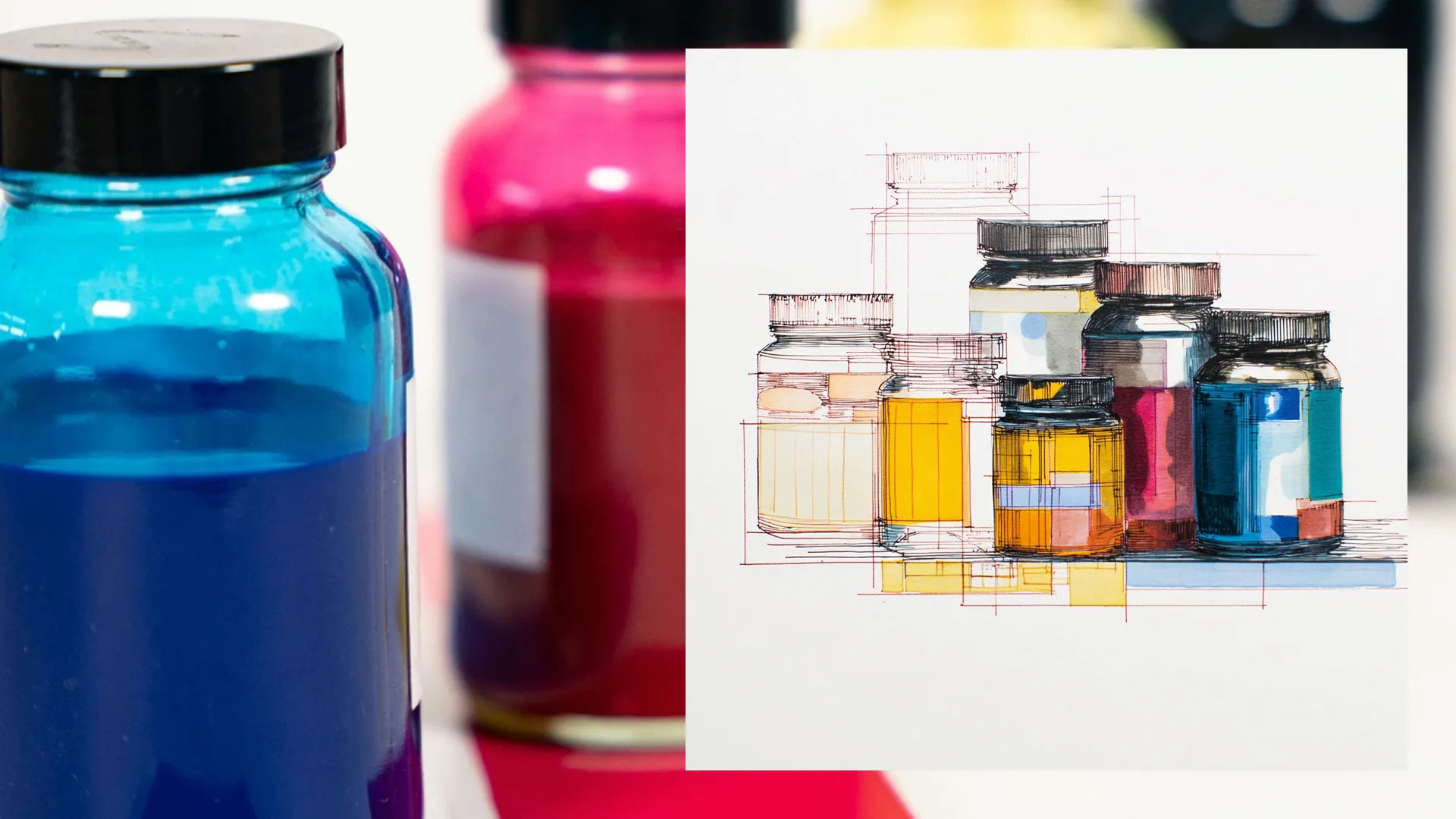
The inherited photography style was simply monochrome. At first, we explored using gradient maps in secondary colours that, whilst rich, also tended to be quite dark (although it contrasted well with the vibrant yellow). Later, we experimented with an “owned colour” approach, tinting photography to create instant brand recognition. Honestly, yellow proved harder to pull off than green or pink — it works in small doses but overwhelms at scale. More recently, I’ve been using AI image generation to create artistic interpretations of stock imagery, adding personality and distinctiveness to content that would otherwise feel generic. There’s an irony in using AI to make things feel more human, but some of the results speak for themselves.
3

Physical brand — beyond the screen

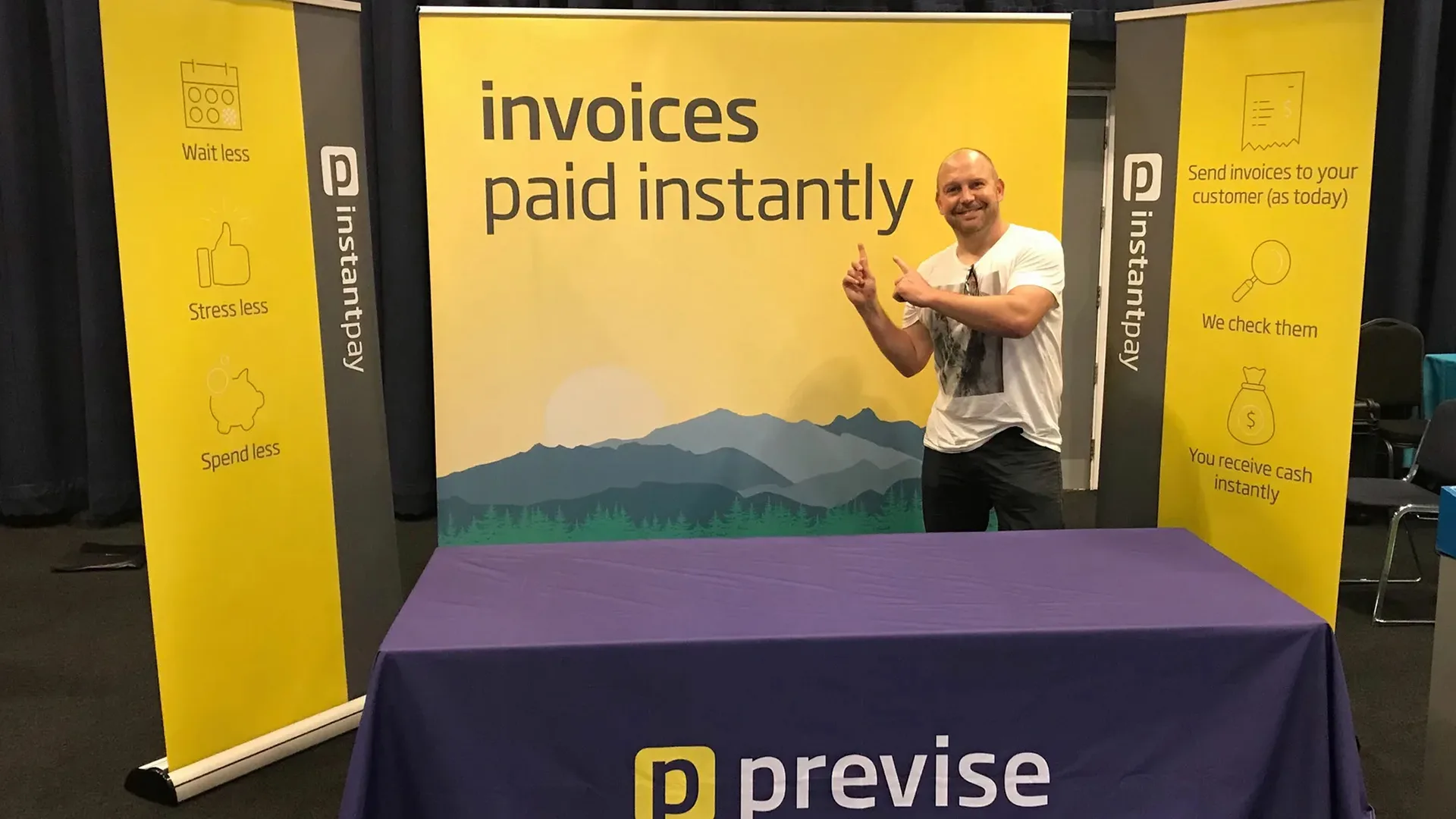
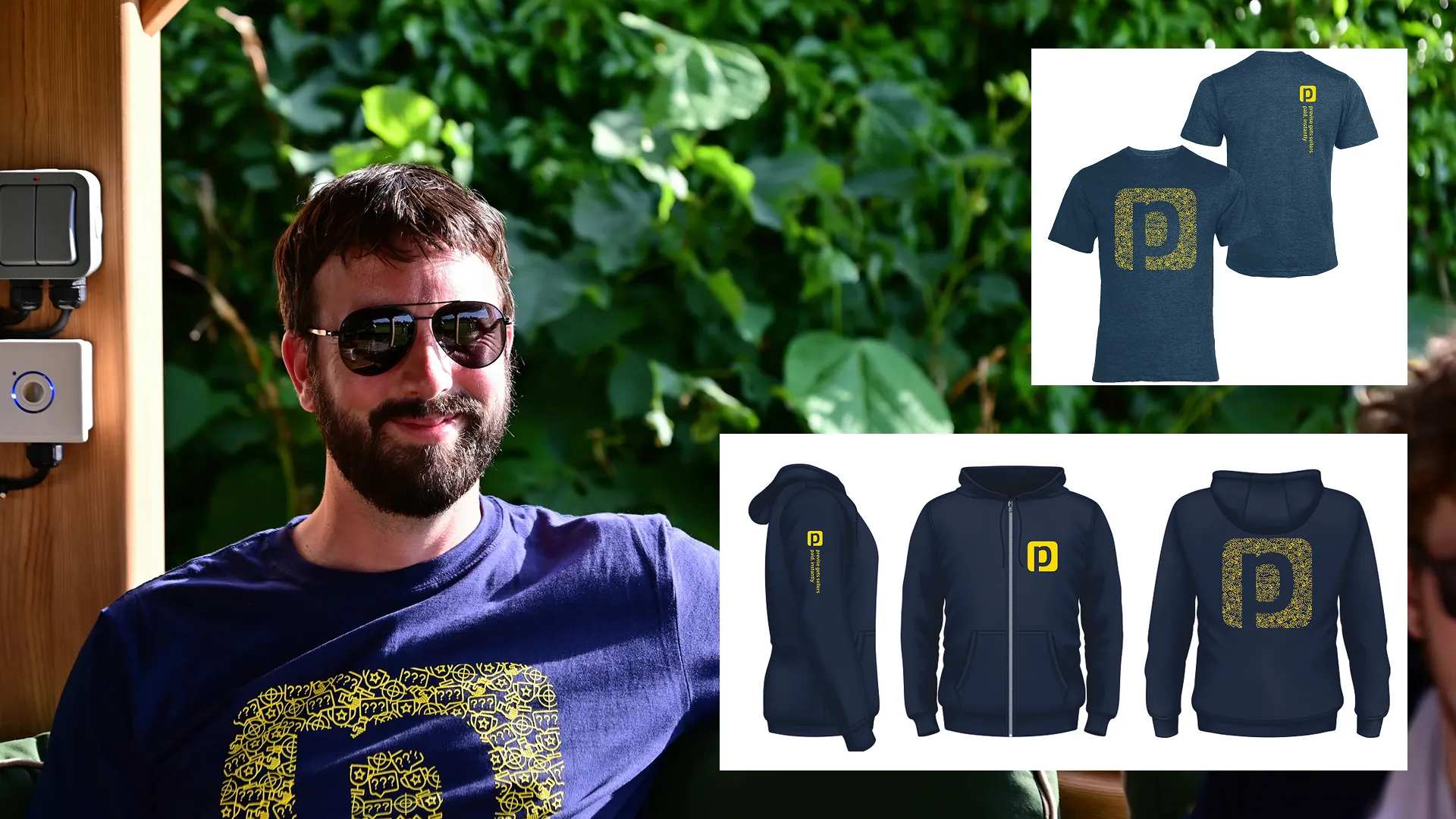
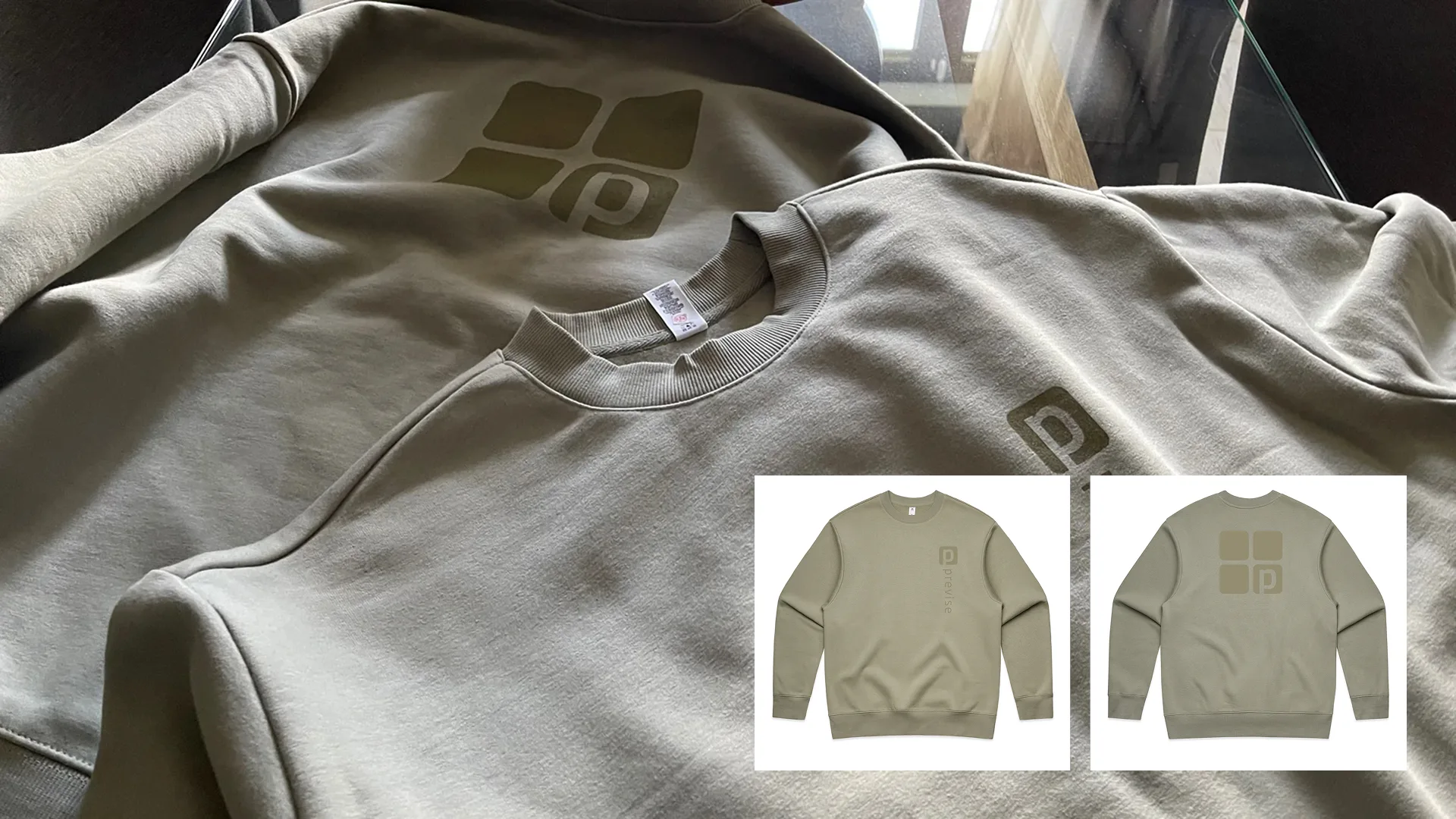
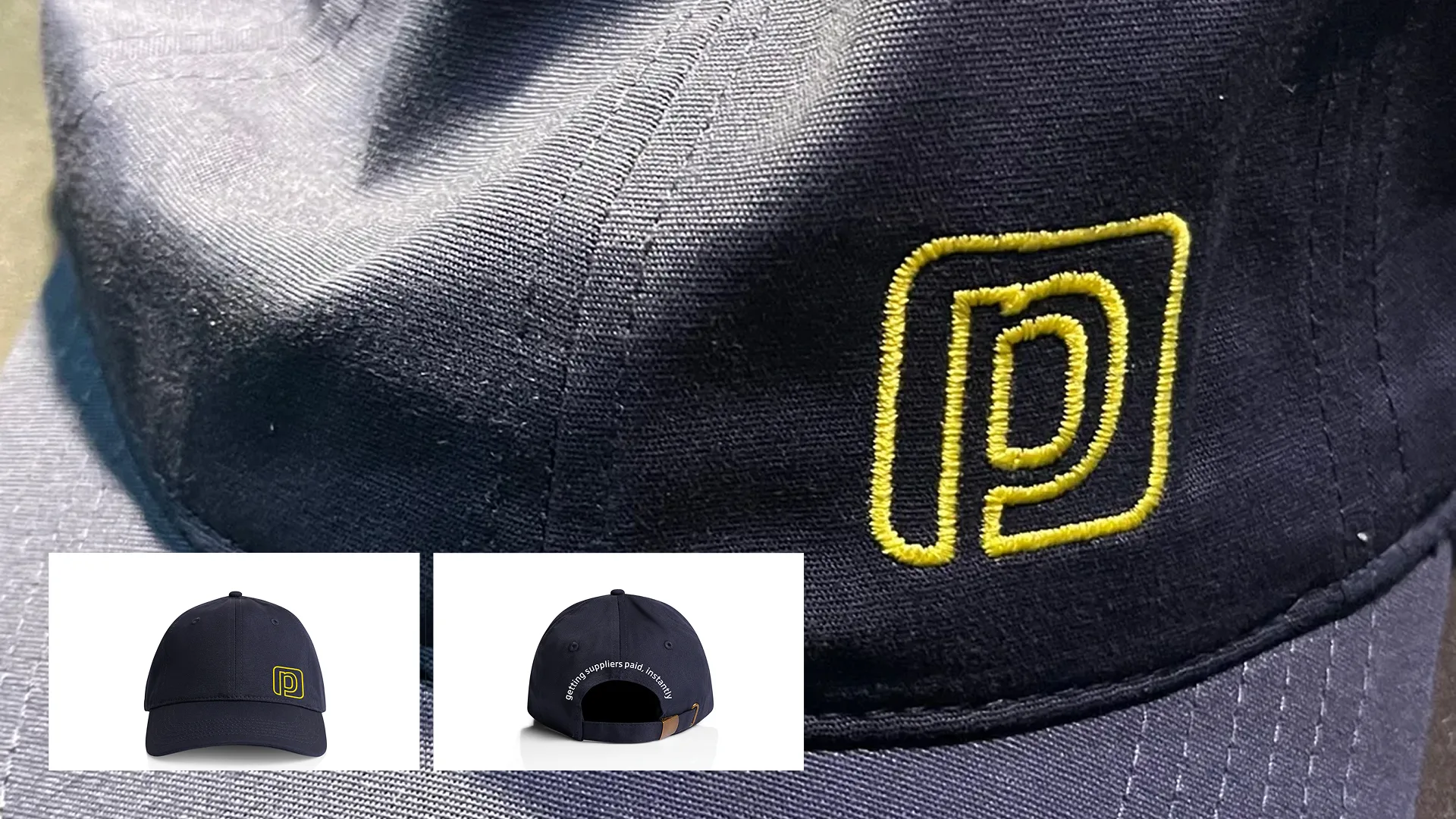
Brand extends beyond digital. I designed exhibition stands for trade shows — the pull-up banners, backdrops, and tablecloths that make a 3×3 metre space feel like Previse. Merchandise evolved from basic logo t-shirts to more considered pieces: a shirt where the “p” icon is composed of our four values icons, branded bottles, caps. None of it is revolutionary, but it’s consistent — every touchpoint reinforcing the same visual language.

4

The unglamorous stuff — what the job actually involves

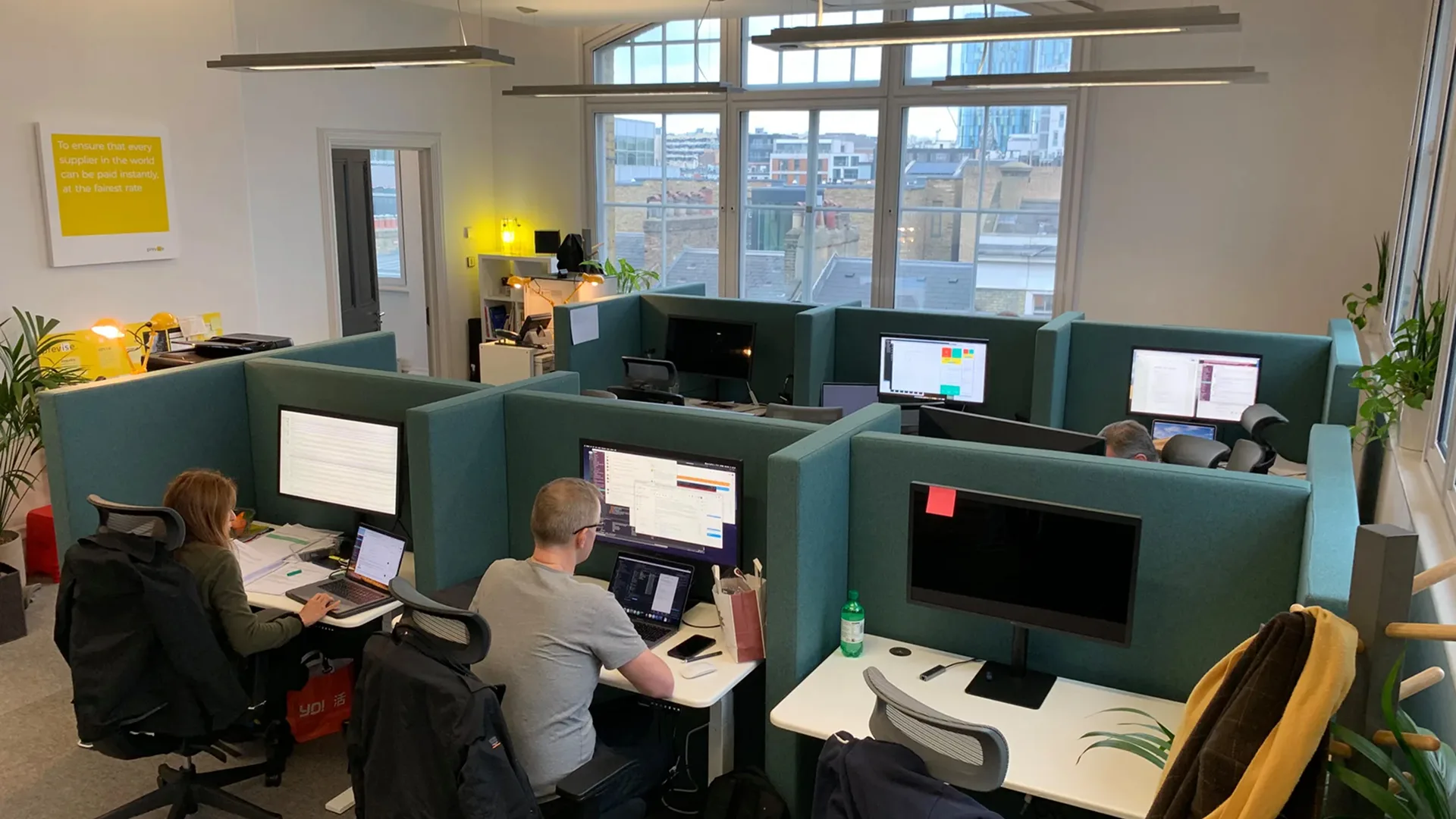
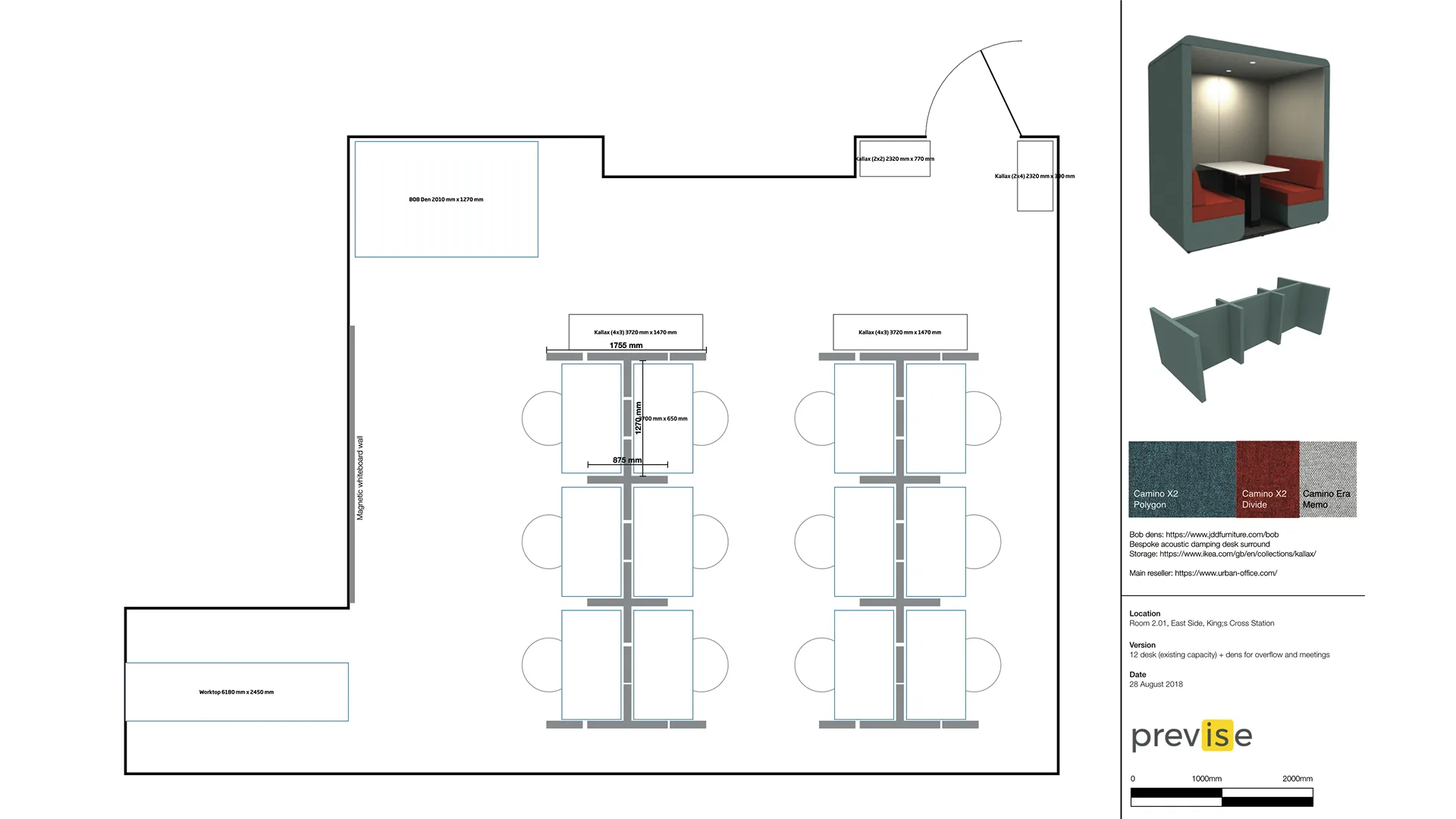
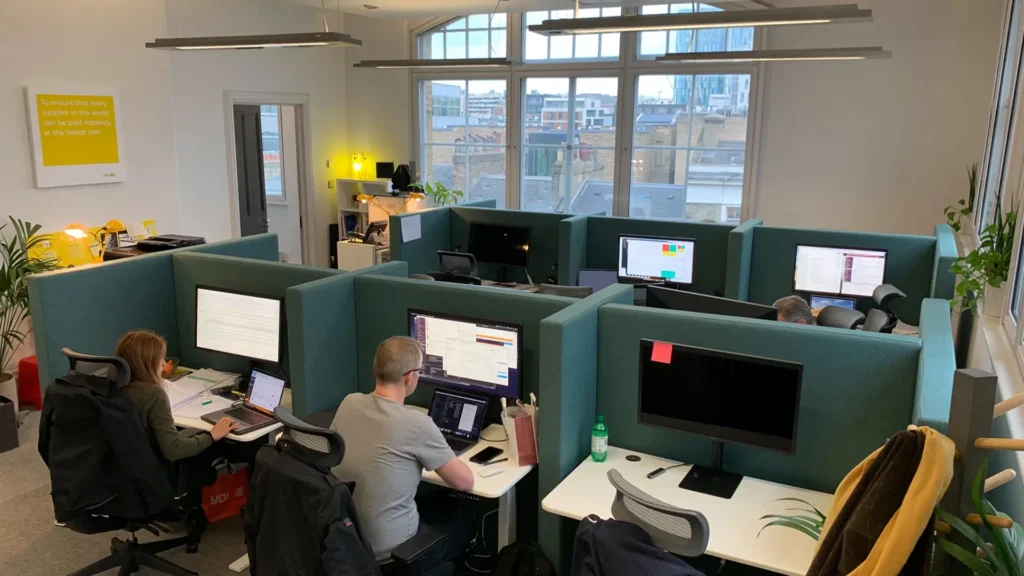
“Head of Design” at a startup means doing whatever needs doing. I’ve drawn floor plans for three different offices, specifying desk layouts, collaborative spaces, and quiet zones. When open-plan noise became unbearable — particularly colleagues on video calls — I designed bespoke acoustic partitions: tall and thick enough to actually block sound, with shorter intermediate dividers so teams could still collaborate along a row. It’s not portfolio work, but it’s the kind of problem-solving that keeps a company functional.

Brand stewardship at a startup means saying yes to things that aren’t in any job description. Floor plans, furniture specs, exhibition stands, merchandise — it all shapes how a company feels, internally and externally. The work here wasn’t always glamorous, but it was always necessary.

How we work

Fixed-scope projects for specific problems such as a UX audit, brand refresh, or product sprint.

Fractional engagement for ongoing senior design thinking without full-time commitment and costs.

We diagnose what's broken, deliver working solutions, and can mentor junior team members.

Take the first step today